October 09, 2026



A shoebox under the bed, a shelf of half-finished albums, and 6,000 photographs on a phone that keeps warning you about storage. That is the state of most family photo collections in the UK, and it is not a comfortable one. The real question is not which format wins in the abstract, but which one suits your family, your budget and the way you actually look at pictures. Here is a straight comparison — and a way to stop the backlog growing.
Before comparing paper and pixels, answer two questions. Who is the album for, and where will it be looked at?
If it is for a grandparent in Aberdeen who wants to turn pages on a Sunday afternoon, that points one way. If it is for cousins scattered between Cardiff and Sydney who swap pictures in a group chat, that points another. And if the aim is simply to keep the images safe for your children, the answer may be neither an album nor a folder, but a proper backup.
Albums do two quite different jobs: displaying and preserving. Paper is excellent at the first. Digital is excellent at the second, provided you look after it. Most families need both jobs doing, which is why the answer is rarely one or the other.
Paper albums are refreshingly honest about money. You pay for prints, pages and the album itself; the cost is visible, finite and finished. Want a second copy for a grandparent? You pay again. Print the wrong photograph and it goes in the bin, paid for twice.
Digital looks cheaper at first, because the camera is already in your pocket. The costs arrive later and quietly.
Neither option is automatically cheaper. If you already pay for cloud storage, digital albums cost almost nothing to make. If you print small and often, paper is more affordable than people assume.
Paper has one enormous advantage: it needs no electricity, no software and no password. A well-made album with acid-free pages, kept dry and out of direct sunlight, will still be readable by your grandchildren. Poor-quality albums are a different story. Sticky magnetic pages and PVC sleeves can discolour and damage prints, and a damp UK loft or garage will finish the job.
Digital files do not fade, but the systems around them do. Formats fall out of use, services shut down, subscriptions lapse and passwords get forgotten.
A photograph you cannot find is, for practical purposes, a photograph you do not have.
The rule for digital is simple: keep at least two copies in different places, stick to common file formats such as JPEG, and move everything onto new storage every few years. Then print the pictures that would hurt to lose.
Digital wins on distance and speed, and it is not close. A photo taken at a birthday lunch can be in three countries before the cake is cut. Shared albums let relatives add their own pictures, and short video clips travel easily.
Paper wins when people are in the same room. An album on a kitchen table slows everyone down: pages get turned, stories get told, someone spots an uncle they had forgotten about. Screens tend to pull people into separate worlds; a heavy album does the opposite.
One caution on sharing. Before posting pictures of other people's children, ask. Many parents are relaxed about a private family album and far less relaxed about a public post. Keep shared links private, and check who can download what.
Making a digital album takes minutes. Finishing one can take months, because the work is all in the choosing. Scrolling through 4,000 holiday photos is not a pleasant evening. The fix is to shrink the pile before you start: sort by month rather than by event, mark favourites as you go, and set yourself a limit of, say, 40 pictures per year.
Printing and sticking is fiddly, and it is easy to put off. But the format limits the choices, which helps. A double-page spread holds four or five photos, so the decisions are smaller and the album actually gets finished. Print in batches — every three months, order a set of prints and drop them into a box until you are ready. Then one evening's work puts a year on the shelf.
Most households end up with something in between, and it tends to look like this:
That is a couple of hours a year for the album, plus a few minutes a month for the choosing. It is achievable, which matters more than perfect.
The temptation is to plan an elaborate archive covering the last fifteen years. Do not. Pick the most recent year, choose 40 photos, print them and put them in an album. Add a note inside the cover with the dates. When it is done, give a copy to a grandparent or save it for a birthday.
One finished album will teach you more about which format suits your family than any comparison can. Then start the next one. And if you ever hand irreplaceable originals to a scanning or restoration service, check their terms, turnaround and insurance cover before they leave your hands.
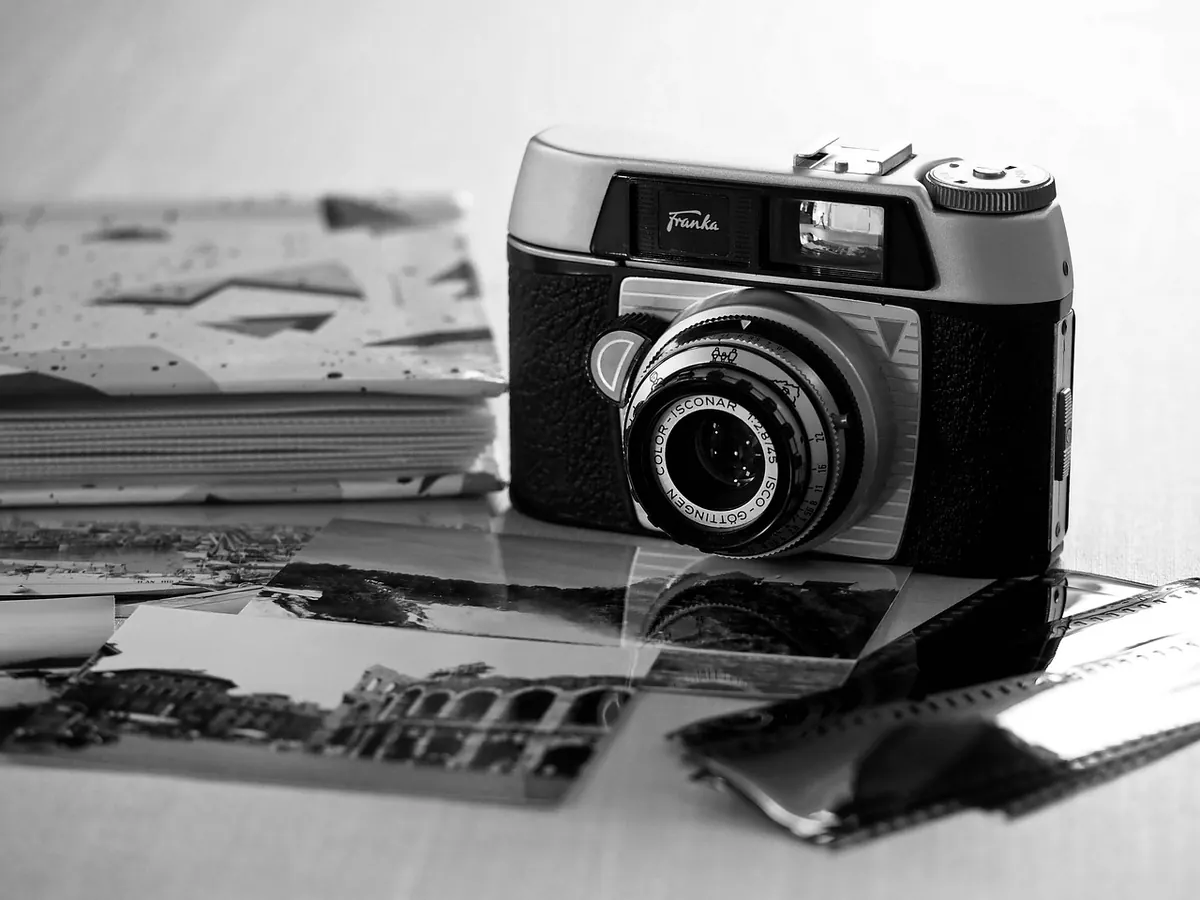
Photo: Ralf1403 / Pixabay
Preserve and share your life's memories.
Copyright © 2026 Memo Lane. All rights reserved. Memo Lane.